
21 September 2020
Best practices for lawn maintenance during fall
Mowing, edging, fertilizing and irrigating a Florida lawn through the season of excess rain — and why a rain sensor pays for itself.
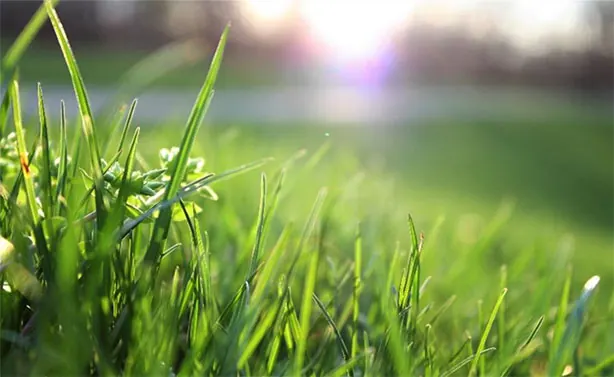
Early fall in Florida is usually accompanied by plenty of afternoon showers and looming storms. During this season, Greenscapes can help to care for the primary staple of our landscape: the turf. Here are our best practices for proper lawn management during the season of excess rain.
Mowing
Do not get the grass cut if it is too wet. If the grass is cut while wet, the left-over clumps end up lying on top of the roots and drying out an entire patch. There is also a good chance ruts can be created in turf under the weight of the lawnmower, even a push mower.
When the lawn has dried up a bit, ensure the grass is cut at the highest setting possible. A tall grass blade during rainy seasons encourages deeper rooting and a healthier lifespan. Cutting the grass too short — scalping — will stress the turf and make it susceptible to disease.
Weed-eating and bed-edging
During and in between heavy rains, it is best not to edge any lawn; once it starts drying up, edging can resume.
Fertilization
Avoid, if possible, fertilizing just before heavy rains. Excess rain tends to wash out liquid fertilization; granular can be better embedded into the turf as a slow release fertilizer.
Irrigation
Although people often think irrigation does not need to be on during the rainy season, it is best kept on a regular schedule, albeit for less time. It is best to have a rain sensor attached to your clock or timer.
A rain sensor is a device mounted on your property to monitor rainwater and connected to your in-ground irrigation system. When the device collects enough rainwater, the sensor stops your sprinkler system from watering. It helps you give your lawn and garden the water it needs without overwatering during heavy precipitation, and prevents the waste that overwatering causes. If you do not have a rain sensor and would like Greenscapes to install one for you, please contact us.
And stay off the wet grass
Finally, avoid walking on wet grass if possible. It may be frustrating to wait for the water to subside, but all good things come to those who wait. Heavy rains normally show where flooding occurs, or where dollar weed has formed. If you need help evaluating your lawn, please contact Greenscapes.
← A touch of silver Oh my — plantings, drainage and pavers! →
Get started
Tell us about your property and we will come and look at it
An Account Manager will walk the grounds with you, take counts, listen to what you need and send a detailed, costed proposal. No hidden extras, no obligation.